

Medical Carts Case Study
Overview
Our company has been at the forefront of medical cart evolution spread across a range of healthcare and clinical environments. We’ve supported innovation in spatial design and continually reimagined how carts can be optimized for human interaction and practical utility. In every hospital, carts (or wheeled products) are a constant presence, rolling across floors, tucked into corners, and moving from room to room. But they are far more than just carriers of supplies and equipment. When designed with intention, they become essential platforms for mobilized, intelligent care. In an era where real-time data, connectivity, and clinical agility define excellence, the original basic cart has transformed into a critical asset in delivering high-quality healthcare.
Multiple
Medical Device
The Challenge
Modern clinical environments demand mobile technology platforms that address critical healthcare challenges including clinician burnout, medication errors, documentation delays, and infection control.
Tekna has long been a leader in designing and developing practical cart solutions, while also driving meaningful innovation that supports not only clinicians, but the entire ecosystem of health system stakeholders. Tekna has built a deep understanding of clinical spaces, users, and complex tasks that define healthcare efficiency. We’ve spent thousands of hours in hospitals, observing workflows, shadowing clinicians, and conducting contextual research in real-world environments. We’ve studied how clinicians interact with tools, how teams navigate tight spaces, and how technology needs to move, connect, and adapt on the fly. This firsthand insight into the pain points, constraints, and demands of clinical care is foundational to our process.
Tekna designs medical carts as intelligent integration platforms that bring computing, dispensing, scanning, and monitoring technologies directly to the point of care. Our customers require solutions that not only house sophisticated hardware but also enhance workflow efficiency through ergonomics and elegant design, modular flexibility, and clutter reduction in high-pressure clinical settings. We build solutions that meet functional requirements while transforming workflow burden into streamlined care delivery.
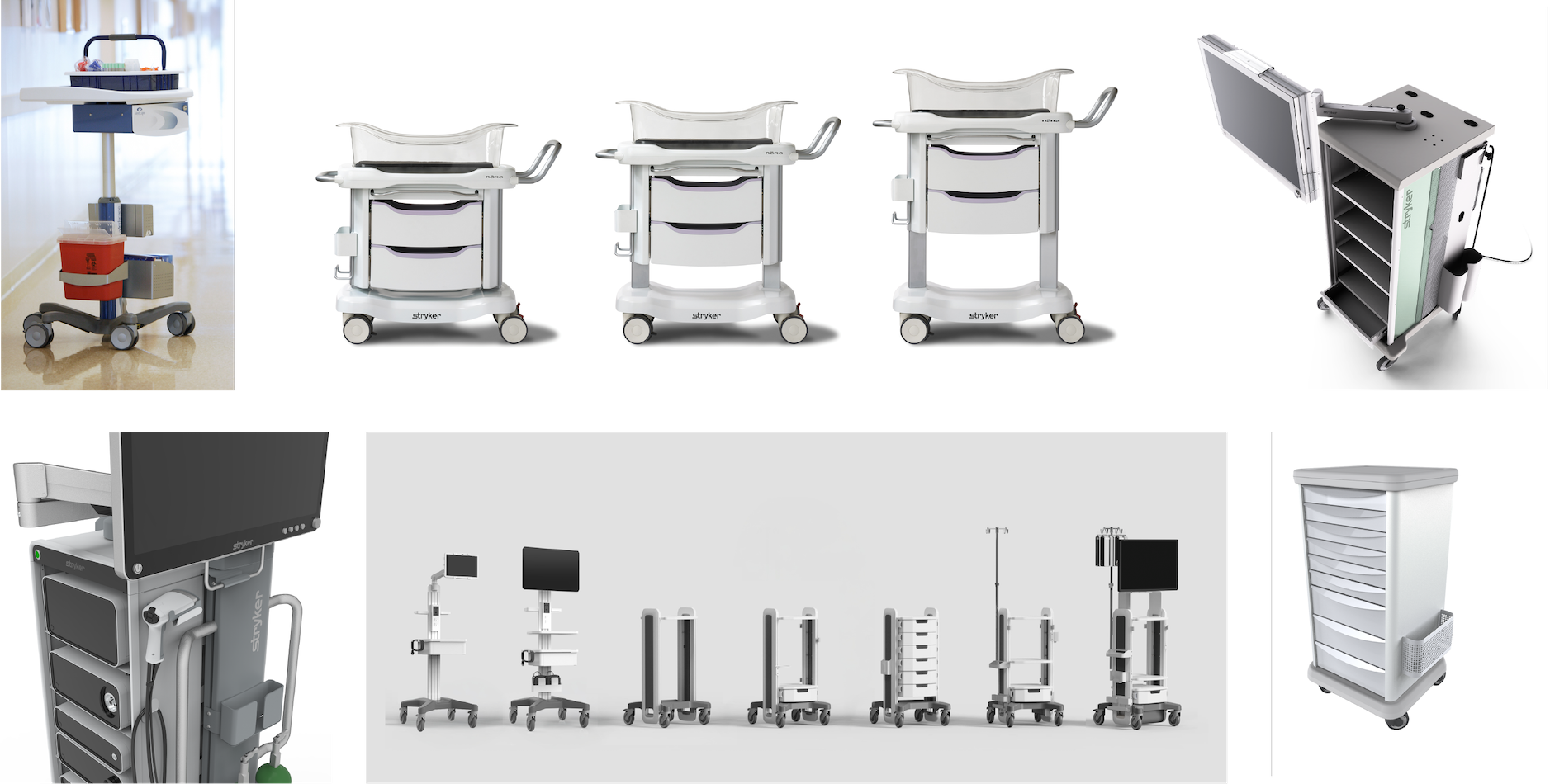
A Platform Approach
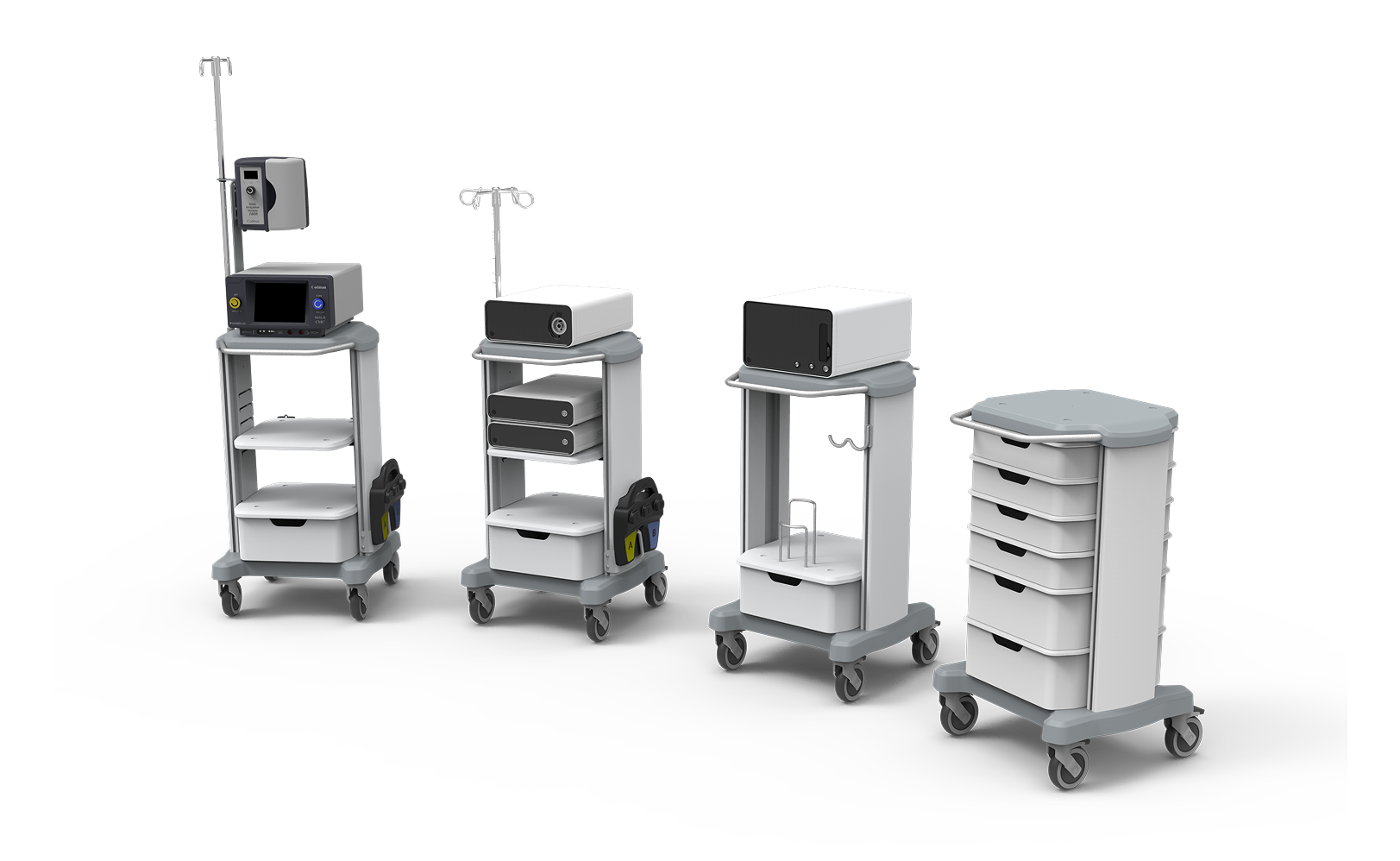
Over the years, we’ve introduced multiple generations of both large and compact cart systems, each designed to present critical technology in the most cohesive, accessible way possible. Innovations like modular configurations, adjustable tool and accessory placement, and both powered and non-powered options are just a few of the advancements we’ve pioneered to enhance functionality and flexibility in clinical care.
They’re purpose-built mobile platforms that bring advanced technology to the patient and to the point of care. Our design and engineering development teams have focused on strategic design principles across several key areas, driving significant advancements in cart performance within the clinical space. When these elements align, carts transform from overlooked equipment into high-value enablers of clinical excellence.
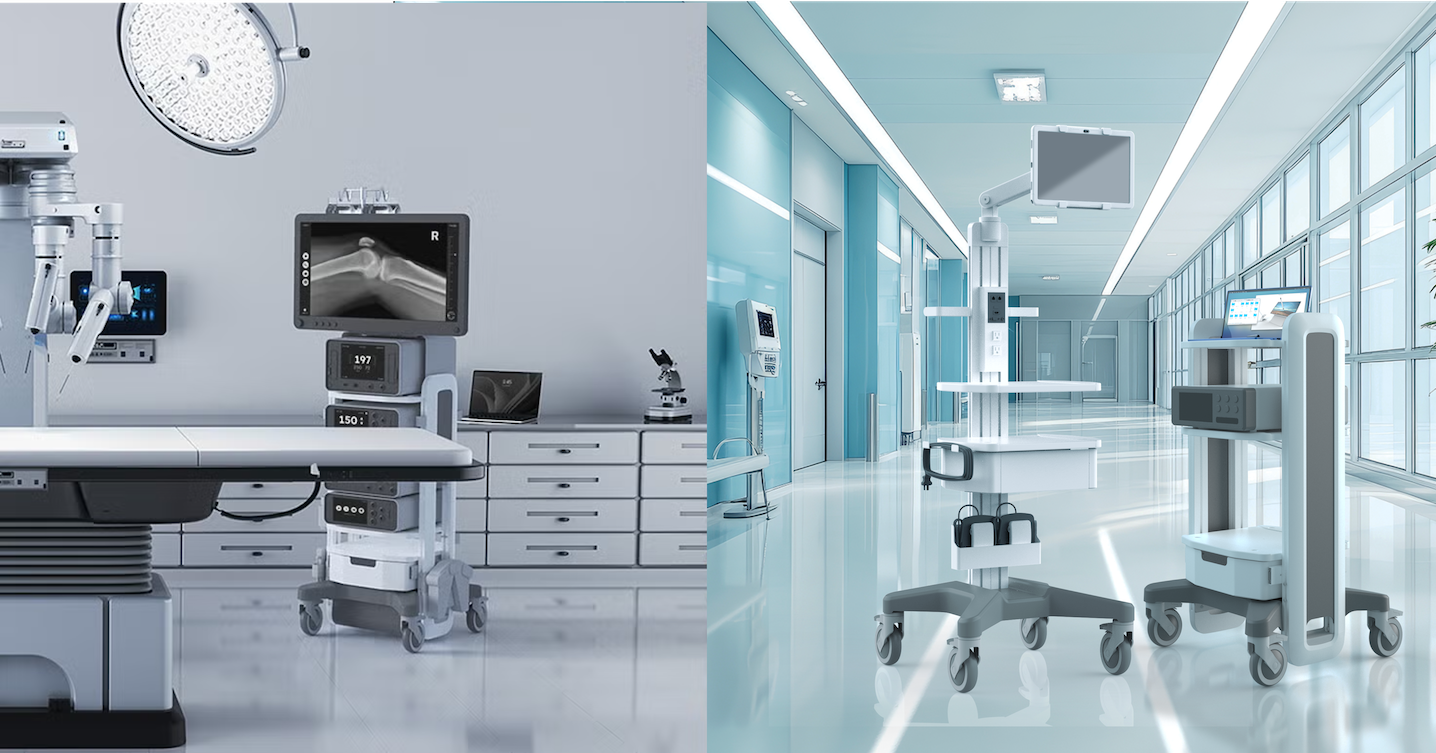
Modularity and Flexibility
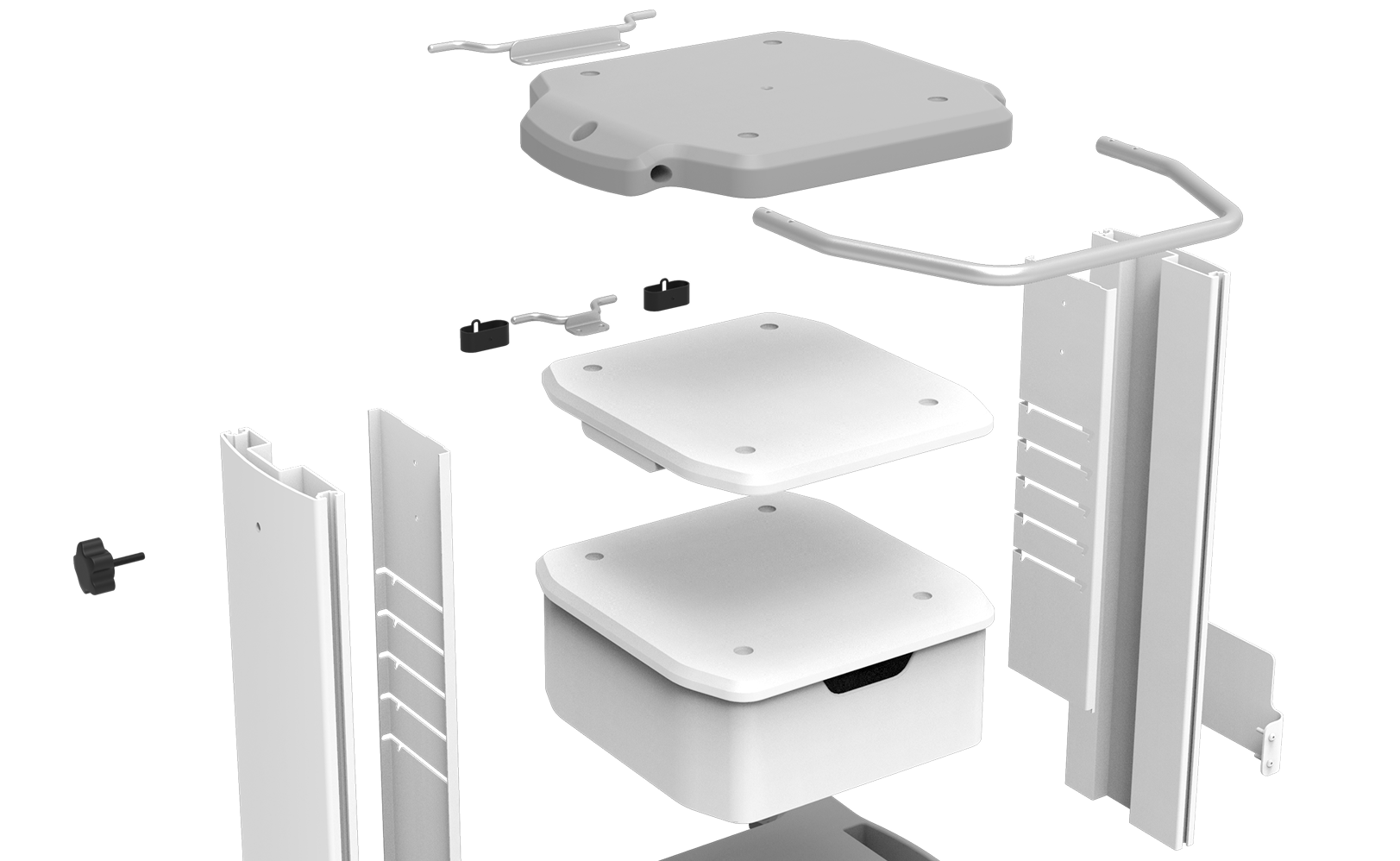
These carts are built using core, common components to enable maximum design adaptability and seamlessly support a wide range of clinical needs, specialties, and workflows.
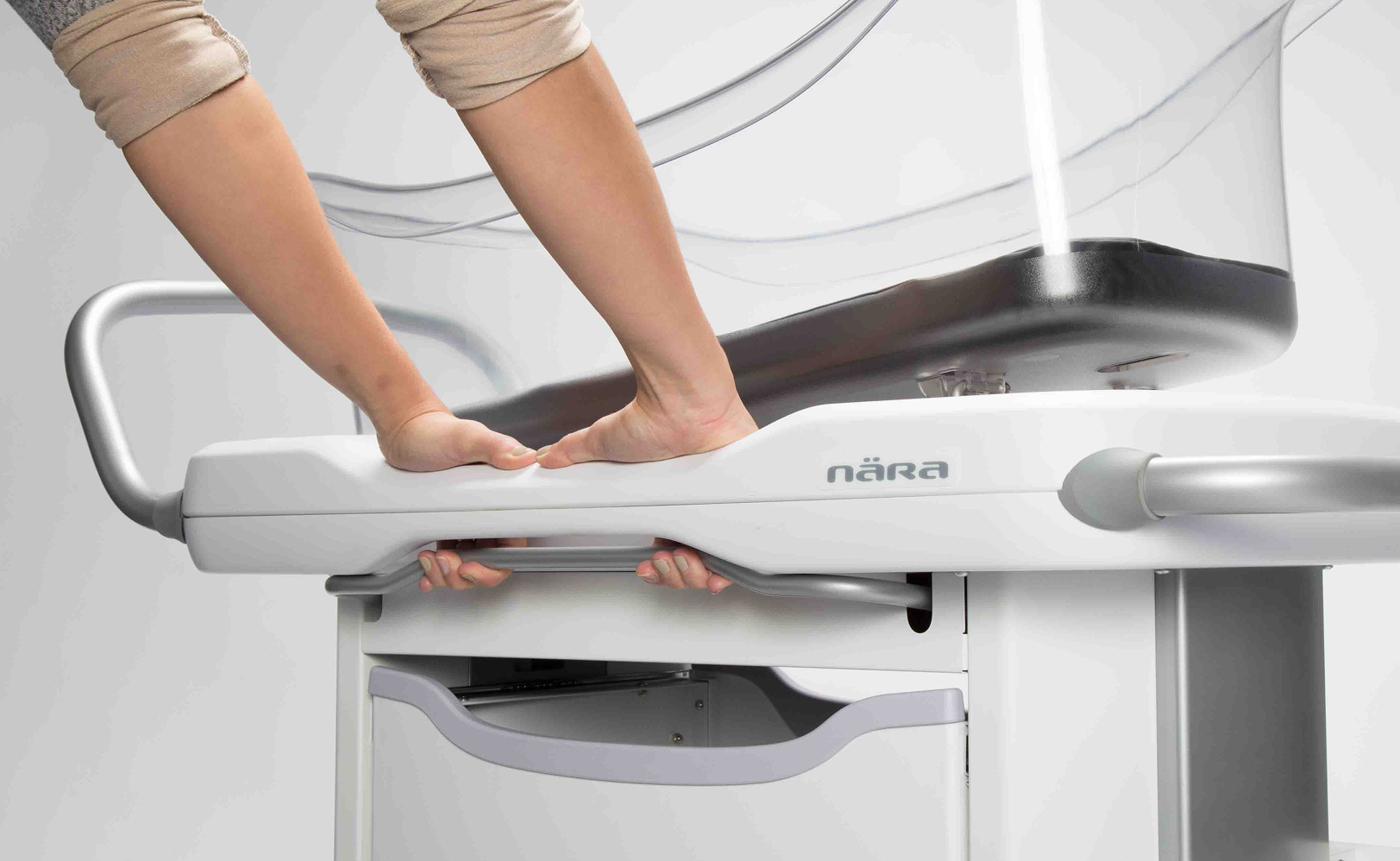
Ergonomics and Usability
Human-centered design influenced height-adjustabile, easy-to-clean surfaces, and intuitive maneuverability.
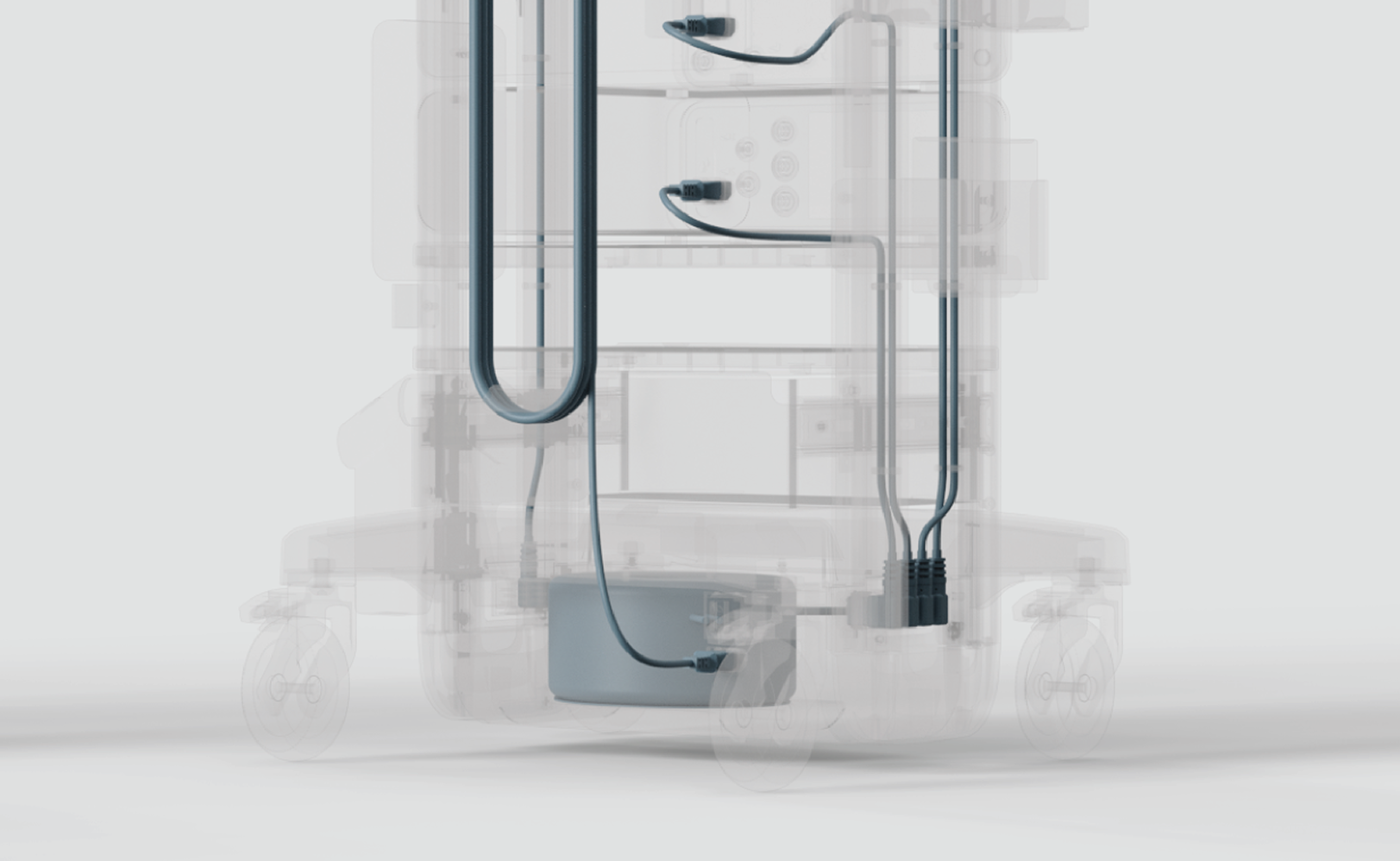
Power Integration
Intelligent power management solutions enable both powered and non-powered configurations.
Accelerated Market Deployment
We leverage common components and modular systems to drive efficiency, supported by smart material and process selection.
Cost-Effective Design
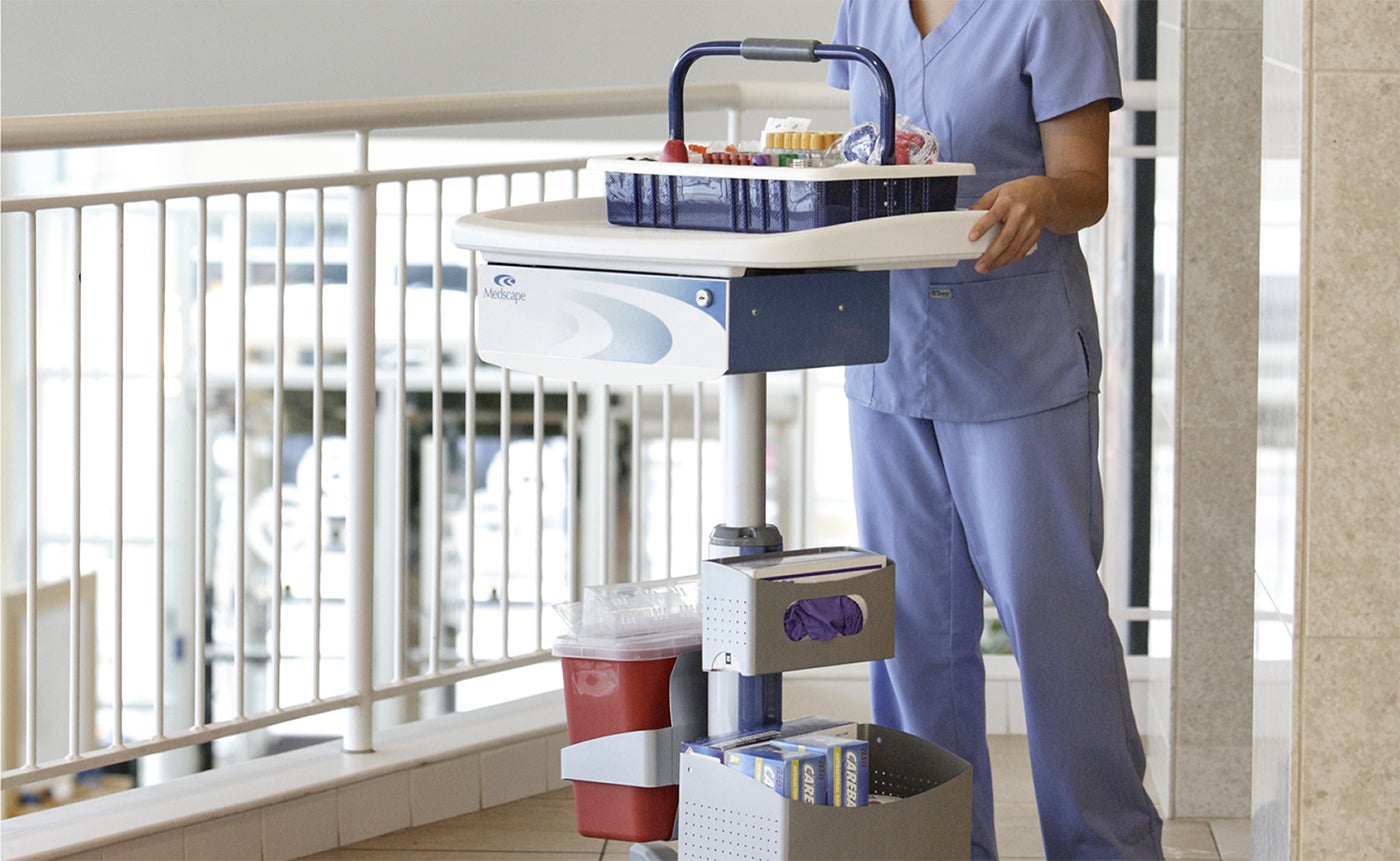
Our thoughtful decisions align with the low-to-medium production volumes typical in healthcare environments, where large-scale manufacturing isn’t always feasible.
Clutter Reduction and Organization
Our streamlined designs minimize workspace clutter and promote ease of use in high-pressure, complex clinical settings.
Continuous Product Improvement
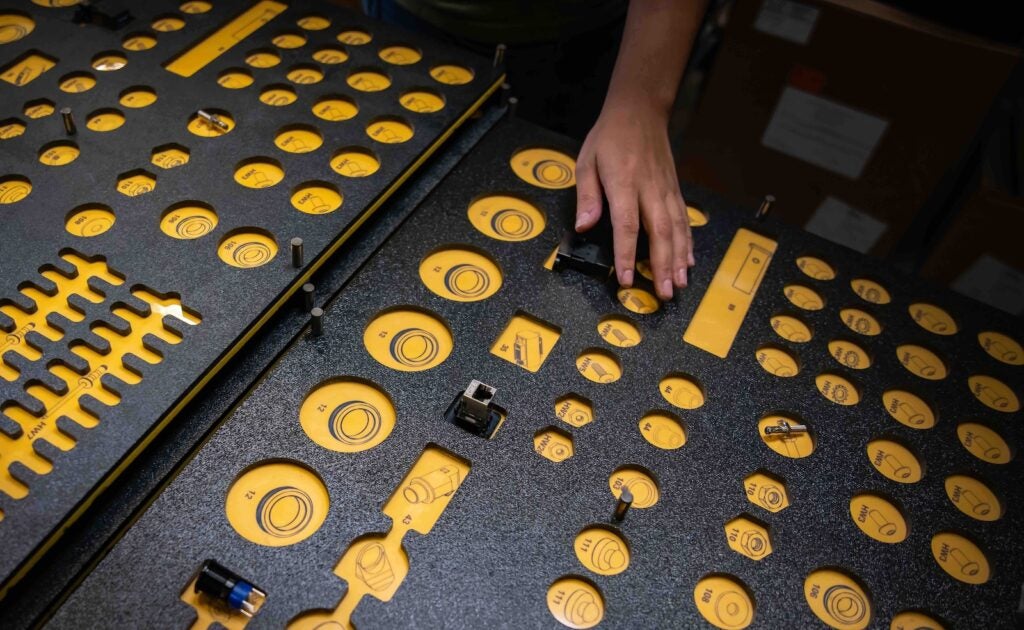
We deploy lean methodologies in design and manufacturing to ensure we continue to reduce waste, improve quality, and reduce cost.
The results
Our experience designing, engineering, and manufacturing medical carts has consistently delivered high-performance solutions that elevate clinical care. Our strategic focus on modularity, ergonomics, and intelligent power integration ensures carts seamlessly adapt to diverse clinical needs, are human-centered in design, and provide reliable power. By leveraging common components and modular systems, we enable accelerated market deployment and cost-effective design tailored for healthcare. Furthermore, our commitment to clutter reduction and continuous product improvement means our carts streamline high-pressure clinical environments and support sterile workflows.
average number of components in each assembly, allowing for 12 distinct model variations to meet diverse clinical demands
lifetime surgeries supported by our video carts alone
combined length of our video carts, laid end-to-end (over 6x the length of the Golden Gate Bridge)
of steel used in our robust engineering, ensuring the durability and reliability of every product
Recent Work